


Track Your Medication Side Effects

Monitor side effects from your medications and stay in control of your treatment. NowPatient helps you identify patterns, pinpoint problematic medications, and keep a detailed record for your healthcare team.
Quarterly reports build a complete history, making consultations more productive, speeding up adjustments, and helping your clinician find the right medications with fewer side effects.
HOW IT WORKS
Common Questions About This Service


What is the NowPatient Side Effects Reporting service?
Side Effects Reporting is a proactive health monitoring and surveillance service that helps you track side effects from medications you are taking while contributing to wider medical research. Every three months, NowPatient will prompt you to report any side effects you may have experienced. This regular check-in creates a comprehensive timeline of your medication journey, helping you understand how different medications affect you personally.
Is Side Effects Reporting free?
Yes. The Side Effects Reporting service is free for all registered NowPatient users.
How does the reporting process work?
The reporting process is designed to be quick and straightforward. You will be asked about specific symptoms, their severity, when they occurred, and which medication you believe may have caused them. This information is securely stored in your personal health record and can be reviewed at any time.
How does the quarterly reminder work?
NowPatient sends you a reminder notification every three months to prompt you to report any side effects you may have experienced. Follow the instructions on the notification and select the button that applies to you: ‘Report Quarterly Side Effects’ or ‘No Quarterly Side Effects to Report’. If you select ‘Report Quarterly Side Effects’, you will be taken to the report page to complete your submission.
How do I report an ad-hoc or unexpected side effect outside the quarterly cycle?
You can submit a side effects report at any time. To do so:
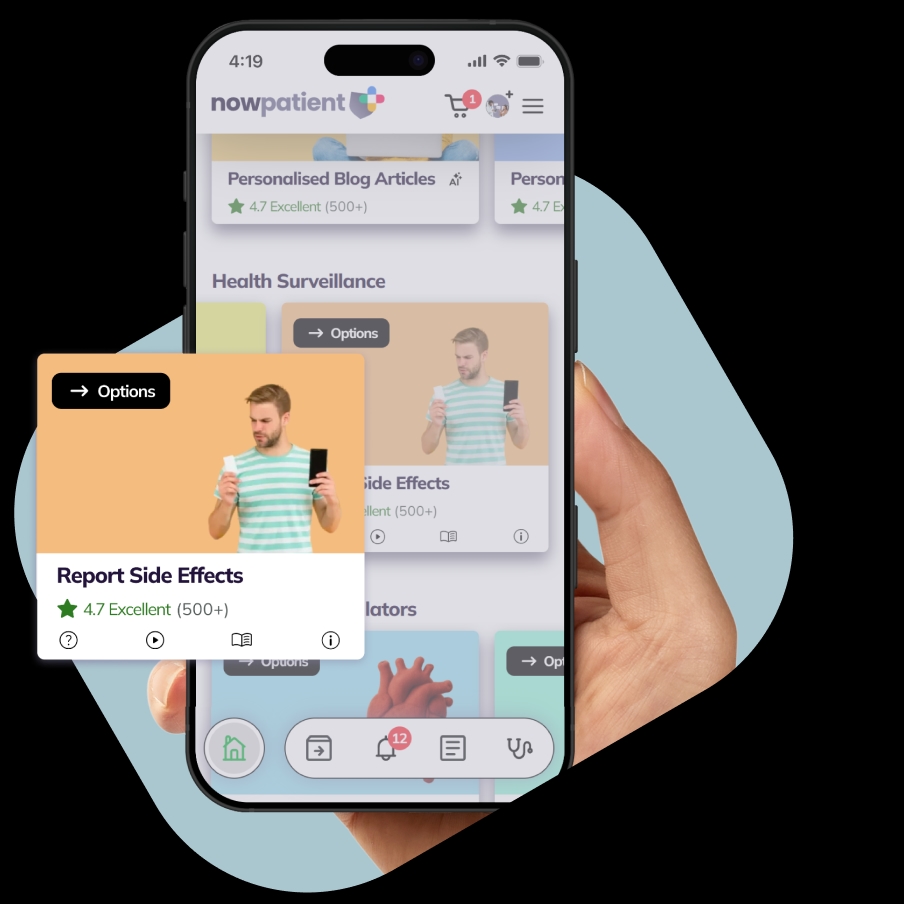
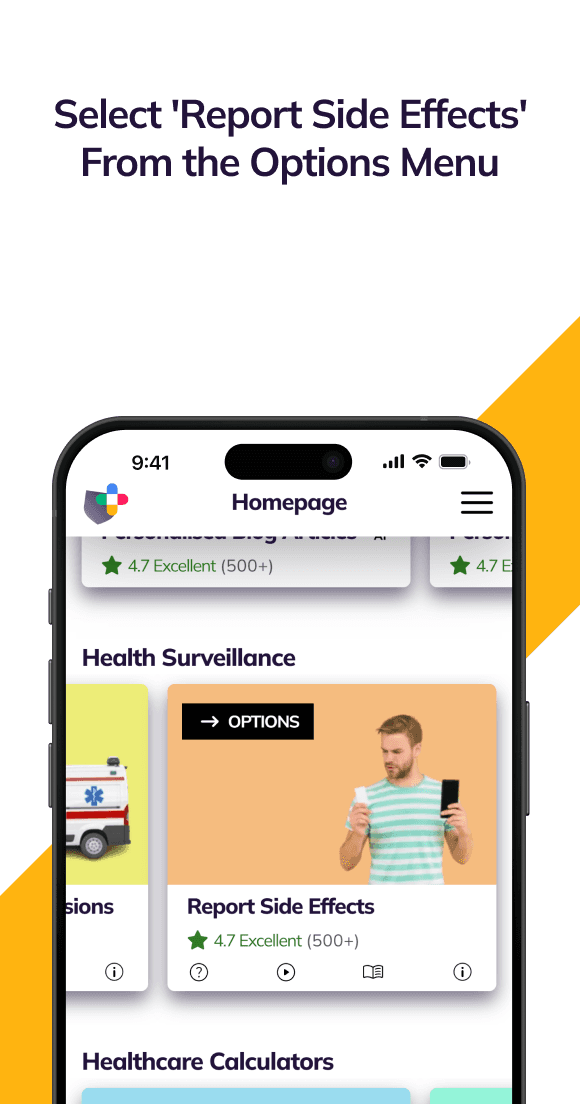
Navigate to the ‘Report Side Effects’ Service Card in the Health Surveillance section of your account homepage.
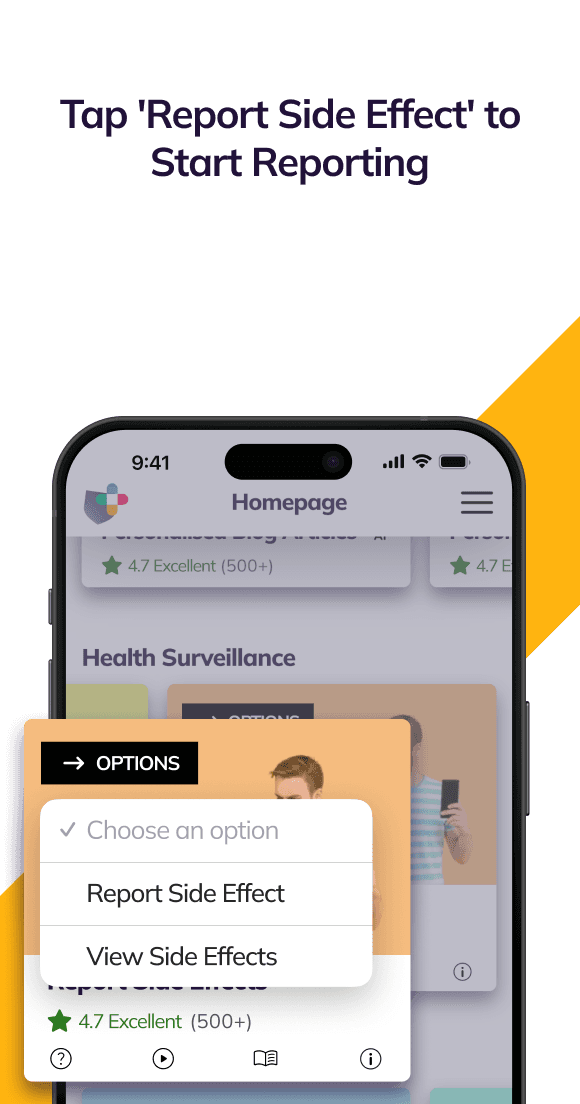
From the Options menu, select ‘Report Side Effect’.
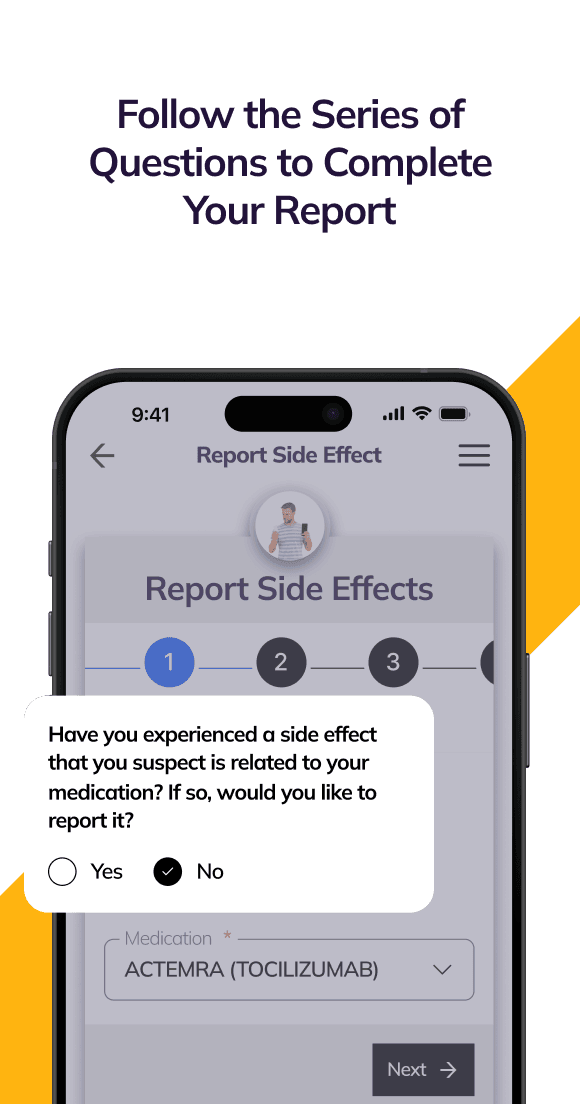
You will be prompted with a series of questions to complete your report.
Once completed, you do not need to take any further action.
Do I have to wait for the quarterly reminder to report a side effect?
No. While NowPatient sends a quarterly reminder, you can report side effects at any time — especially if you experience something concerning or unexpected. Do not wait for the quarterly prompt if you need to document an important side effect.
How do I view my historical side effects reports?
To view your past reports:
Navigate to the ‘Report Side Effects’ Service Card in the Health Surveillance section of your account homepage.
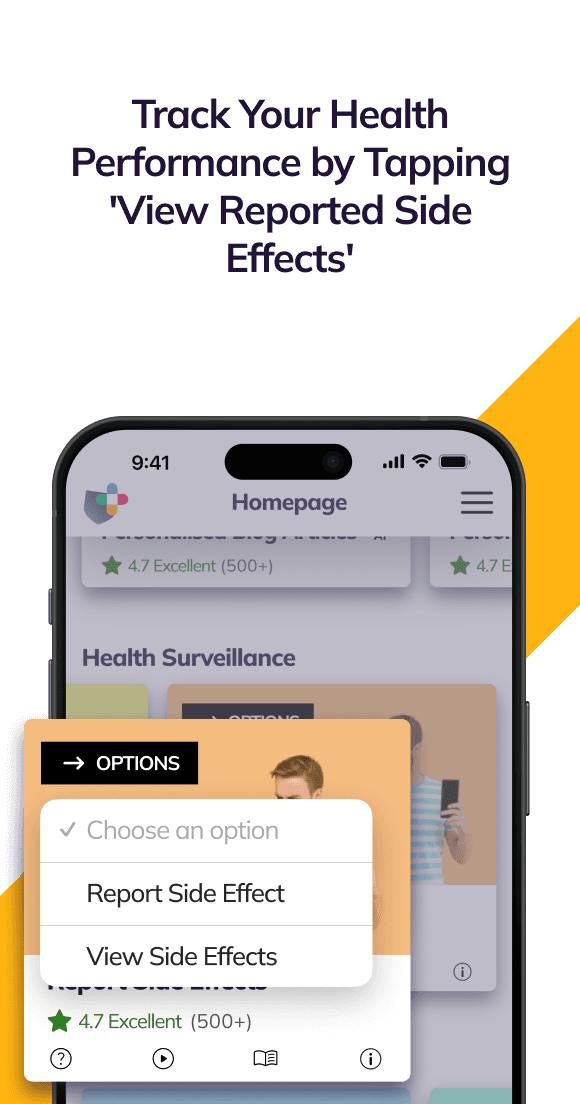
From the Options menu, select ‘View Side Effects’.
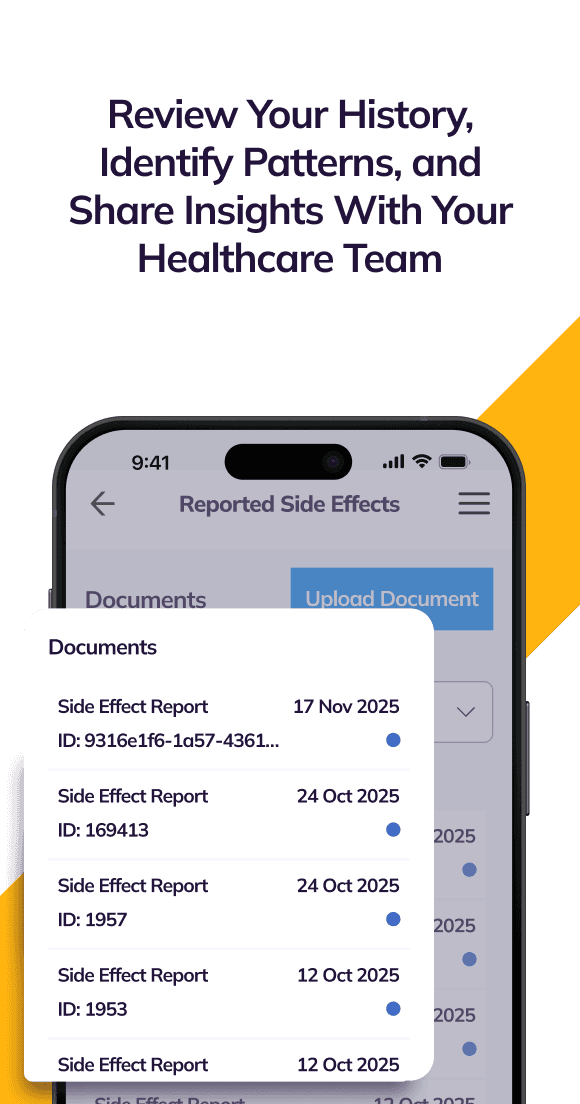
Here you can view all the historical side effects reports you have made. You can open them individually to view.
Can I share my side effects reports with my doctor?
Yes. You can generate and download an aggregate report to your documents folder to share with your Clinician. To do so, use the date range selector to select the period you want, choose the reports you wish to export, and click ‘Export’. The aggregate report will be sent to your documents folder, from where you can share it with your Clinician.
What side effects should I report?
Report any symptom or change in your health that you believe may be related to a medication you are taking. This includes:
Physical symptoms (nausea, dizziness, rash, headaches, fatigue)
Changes in mood or mental state (anxiety, depression, confusion)
Sleep disturbances or changes in appetite
New pain or discomfort
Changes in how you feel overall
Even if you are not sure whether a symptom is related to your medication, it is worth reporting. The system can help you identify connections you might not have noticed.
Do I have to be certain a symptom is caused by my medication before I report it?
No. If you are unsure whether a symptom is related to your medication, report it anyway. The system is designed to help identify connections you may not have noticed, and patterns across many reports can reveal links that would otherwise go undetected.
How does regular reporting benefit me personally?
Quarterly side effects reporting helps you in several important ways:
Track side effects from medications you are taking and build a personal medication history that helps you understand which drugs work well for you.
Monitor patterns and trends over time — you may notice that certain side effects appear seasonally, worsen over time, or resolve after your body adjusts.
Keep a comprehensive record for your medical history that is invaluable when trying new medications or when providers need to understand your medication tolerance.
Receive personalized insights, including whether your side effects are commonly experienced with your medications, their typical duration, and when to seek medical attention.
Better communicate with your healthcare providers using accurate, timestamped data rather than trying to recall symptoms from memory.
Empower yourself with knowledge and control — understanding your body’s response to medications helps you make informed decisions and advocate for your health needs.
How does my reporting benefit the wider healthcare community?
Your reports contribute to wider healthcare improvements:
Drug safety monitoring and pharmacovigilance — when patterns emerge across many patients, regulatory agencies can update warnings, dosage recommendations, or remove dangerous drugs.
Medical research — real-world data helps researchers understand how medications perform outside controlled clinical trials, leading to better treatment guidelines.
Identifying side effects not detected in clinical trials, at-risk populations, and previously unknown drug interactions.
Improving understanding of real-world medication experiences, including for populations often excluded from clinical trials.
Better prescribing practices and improved patient education for everyone.
Is my data private and secure?
Yes. Your side effects reports are stored securely in your personal NowPatient account and are protected by healthcare-grade encryption in line with Information Governance and HIPAA protocols. Your personal information is never shared without your explicit consent.
Smooth, simple, seamless
Your Guide to Using the Report Side Effects App Feature
- Step 1.
Select ‘Report Side Effects’ From the Options Menu
 1
1 - Step 2.
Tap ‘Report Side Effect’ to Start Reporting
 2
2 - Step 3.
Follow the Series of Questions to Complete Your Report
 3
3 - Step 4.
Track Your Health Performance by Tapping ‘View Reported Side Effects’
 4
4 - Step 5.
Review Your History, Identify Patterns and Share Insights With Your Healthcare Team
 5
5
SERVICE GUIDE
How Report Side Effects Works
What Is the Side Effects Reporting Service?
Side Effects Reporting is a proactive health monitoring & surveillance service that helps you track side effects from medications you are taking while contributing to wider medical research. Every three months, NowPatient will prompt you to report any side effects you may have experienced from your medications. This regular check-in creates a comprehensive timeline of your medication journey, helping you understand how different medications affect you personally.
The reporting process is designed to be quick and straightforward. You will be asked about specific symptoms, their severity, when they occurred, and which medication you believe may have caused them. This information is securely stored in your personal health record and can be reviewed at any time.
Why Is Side Effects Reporting Important?
Side Effects Reporting benefits both you and the wider healthcare community by creating a comprehensive understanding of how medications affect real people in real-world conditions.
Benefits for You
Track side effects from medications you are taking. Keep a detailed log of any adverse reactions or unexpected symptoms. This creates a personal medication history that helps you understand which drugs work well for you and which may cause problems.
Monitor patterns and trends over time. By reporting regularly every three months, you can identify patterns in how medications affect you. You might notice that certain side effects appear seasonally, worsen over time, or resolve after your body adjusts to a medication.
Keep a record for your medical history. Build a comprehensive personal health record that documents your complete medication experience. This historical data becomes invaluable when trying new medications or when healthcare providers need to understand your medication tolerance.
Receive personalized insights. Get customized feedback about your reported side effects, including whether they are commonly experienced with your medications, their typical duration, and when you should seek medical attention.
Better communicate with your healthcare providers. Armed with detailed records and insights, you can have more productive conversations with your doctors and pharmacists. Instead of trying to remember symptoms from weeks ago, you will have accurate, timestamped data to share.
Empower yourself with knowledge and control. Understanding your body’s response to medications helps you make informed decisions about your healthcare. You will feel more confident discussing treatment options and advocating for your health needs.
Benefits for Healthcare
Supports drug safety monitoring and pharmacovigilance. Your reports contribute to ongoing surveillance of medication safety. When patterns emerge across many patients, regulatory agencies can take action to update warnings, dosage recommendations, or remove dangerous drugs from the market.
Contributes to medical research and evidence-based healthcare. Real-world data from patients like you helps researchers understand how medications perform outside of controlled clinical trials, leading to better treatment guidelines and more effective healthcare practices.
Helps identify patterns in medication side effects. Aggregated data can reveal side effects not detected in clinical trials, identify at-risk populations, and discover interactions between medications not previously known.
Improves understanding of real-world medication experiences. Clinical trials often exclude many patient populations, but real-world reporting includes everyone. This creates a more complete picture of how medications affect diverse patients in everyday life.
Enhances healthcare services for all patients. The insights gained from side effects reporting lead to better prescribing practices, improved patient education, and safer medication use for everyone.
How to Report Side Effects
NowPatient allows you to not only submit ad-hoc side effects reports but also sends out a reminder every three months to make a submission, if applicable.
Interval Reminder for Side Effects Information
NowPatient will send you a reminder notification every three months (quarterly period) to prompt you to report any side effects you may have experienced.
Just follow the instructions on the notification and click the button that applies to you: ‘Report Quarterly Side Effects’ or ‘No Quarterly Side Effects to Report’
If you click ‘Report Quarterly Side Effects’, you will be taken to the report page to complete your submission.
Reporting Ad-hoc or Unexpected Side Effects
Navigate to the ‘Report Side Effects’ Service Card which can be found in the Health Surveillance section of your account homepage.
From the Options menu, select, ‘Report Side Effect’.
You will now be prompted with a series of questions, which will handle the side effect report. Once completed, you do not need to take any further action.
Viewing Side Effects & Producing Reports to Share With Your Doctor
Navigate to the ‘Report Side Effects’ Service Card which can be found in the Health Surveillance section of your account homepage.
From the Options menu, select, ‘View Side Effects’.
Here you can view all the historical side effects reports you have made. You can open them individually to view.
You can also generate and download a report to your documents folder. To download the reports, use the data range selector, and then choose the reports you wish to export. Once you have selected the reports, click the ‘Export’ and this will send the aggregate report to your documents folder, from where you can share with your Clinician.
What Should I Report?
Report any symptom or change in your health that you believe may be related to a medication you are taking. This includes:
- Physical symptoms (nausea, dizziness, rash, headaches, fatigue)
- Changes in mood or mental state (anxiety, depression, confusion)
- Sleep disturbances or changes in appetite
- New pain or discomfort
- Changes in how you feel overall
Even if you are not sure whether a symptom is related to your medication, it is worth reporting. The system can help you identify connections you might not have noticed.
Is My Data Private and Secure?
Yes. Your side effects reports are stored securely in your personal NowPatient account and are protected by healthcare-grade encryption in line with Information Governance and HIPAA protocols. Your personal information is never shared without your explicit consent.
Is the Side Effects Reporting Service Free?
Yes. The Side Effects Reporting service is free for all registered NowPatient users.